


Small jobs in Belgium: how local services between individuals make everyday life easier
Discover which small jobs people can help each other with in Belgium, how to choose someone reliable and how Fixoo connects local needs with practical skills.
A shelf has been sitting in its box for weeks. A door handle moves every time it is touched. The garden needs attention, a flat-pack cupboard is waiting to be assembled and several heavy boxes cannot be moved by one person. None of these issues looks urgent on its own, yet together they create inconvenience and frustration.
Many households in Belgium face this situation. They do not necessarily need a large company or a multi-day building project. They need a careful and available person who can complete a limited task properly. At the same time, many individuals have useful experience, reliable tools and a few free hours they would be happy to put to good use in their neighbourhood.
Local services between individuals bring these two needs together. One person obtains practical help and another has an opportunity to make their skills useful. This approach does not replace qualified tradespeople when work is regulated, dangerous or technically demanding. It does, however, offer a sensible answer for many uncomplicated household jobs and everyday services.
Why are small jobs postponed for so long?
A job may take less than an hour once it has started but remain unfinished for months. The resident may lack the right drill bit, fixings or knowledge. Mounting a cabinet, drilling into a hard wall or restoring an untidy garden may require more preparation than expected.
Personal circumstances matter too. Older residents, people with limited mobility and those living alone may be unable to lift or reach safely. Busy families struggle to find time. Tenants may fear damaging a wall, while other residents simply do not feel confident using tools.
Traditional businesses are not always set up for very small assignments. A tradesperson must cover travel, scheduling and administration and may understandably prioritise larger projects. A minimum charge can feel disproportionate when the customer only wants two pictures installed. Someone based nearby may be able to offer a more flexible response.
What services can an individual offer?
Light DIY covers many useful tasks. Examples include assembling flat-pack furniture, mounting curtain rails, fitting shelves, hanging pictures, replacing a loose handle and adjusting an interior door. These jobs require care and appropriate tools without necessarily amounting to a complex construction project.
Outdoor maintenance is another common need. Mowing a lawn, gathering leaves, removing weeds, cleaning a patio, lightly trimming a hedge and taking away green waste can make a meaningful difference. Such help is particularly valuable to older residents, busy households and people who do not own gardening equipment.
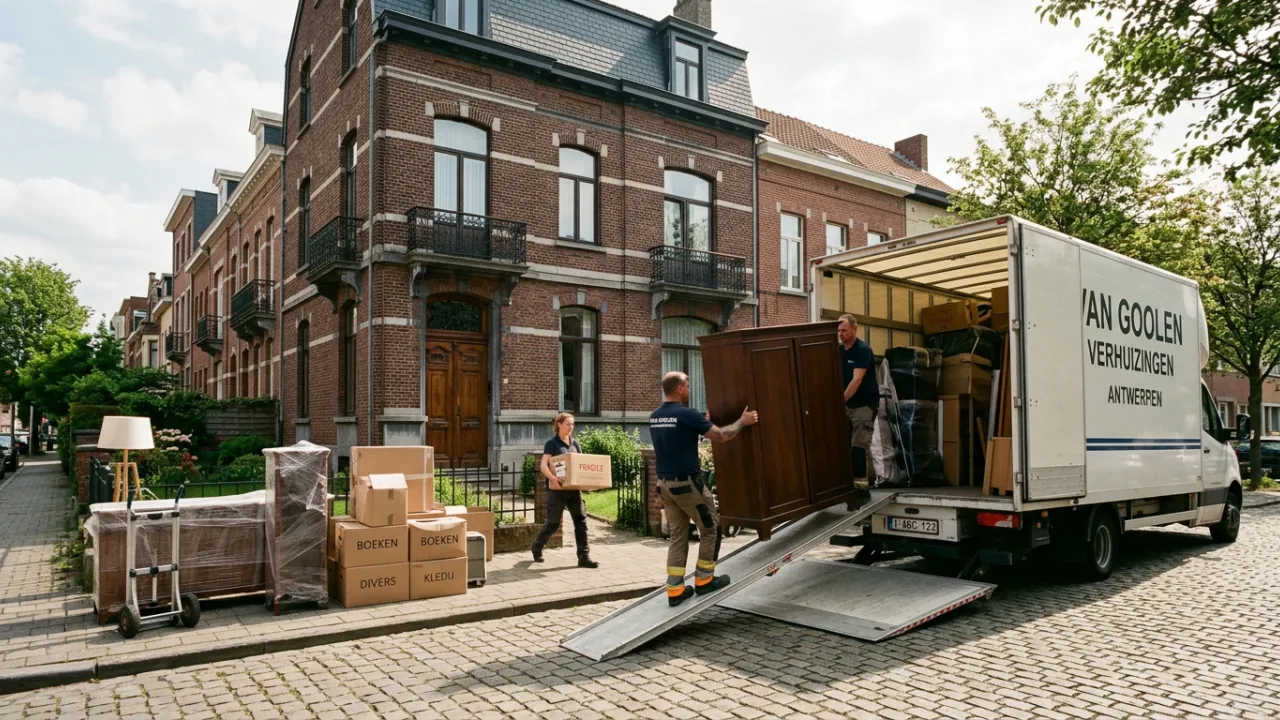
Moving and organising also create demand. An individual may help carry boxes, dismantle furniture, clear a basement, assemble a desk or install storage. The value lies not only in specialist knowledge but also in availability, strength, punctuality and respect for other people’s belongings.
Occasional cleaning is another possibility. A resident may need help after moving, before a property inspection, after a party or once minor renovation work is finished. A garage, accessible windows or a storage room may need attention. The desired outcome should be described carefully because different people may interpret “clean” in different ways.
Practical local help goes beyond DIY. Home computer support, television installation, document sorting, an occasional errand, checking a property during an absence or helping an isolated resident with simple tasks all respond to the same principle: a specific need can be solved by a capable person nearby.
The practical skills of individuals deserve recognition
The word “individual” does not mean inexperienced. A retired joiner may want to remain active for a few hours each week. Someone who renovated several homes may be excellent at furniture assembly and finishing. A keen gardener may know exactly how to restore a neglected plot.
Trust starts with an honest description of those skills. “I can do everything” is less convincing than a profile that lists familiar tasks, available equipment and work the person will not accept. Knowing one’s limits is an important sign of responsibility.
Photographs of previous work can help. They need not show spectacular renovations. A level shelf, a carefully assembled cabinet or a tidy terrace already demonstrates attention to detail. Reviews from completed assignments can then build a useful local reputation over time.
People who wish to offer practical help more regularly or explore different kinds of local requests may also consult a specialist platform such as DepanneTout.be, alongside Fixoo, as an additional place to discover repair and assistance needs in Belgium.
How do you choose a reliable helper?
The process begins with a precise request. Explain the task, property type, location, useful measurements and access difficulties. Provide photographs from different angles. For furniture, include the model or instructions. For wall mounting, mention whether the surface appears to be brick, concrete or plasterboard.
A serious person does more than quote a price. They ask questions, reformulate the task and explain what they can realistically do. They should mention missing tools or any aspect outside their competence. This honesty is more reassuring than immediate confidence about a job they have barely seen.
Reviews help when read carefully. Detailed comments about punctuality, communication, tidiness and workmanship are more informative than one isolated rating. Check whether the person has already completed a comparable task.
Before confirming, agree on the price or pricing method, travel, materials, likely duration and cleaning afterwards. A short written summary protects both parties and ensures that everyone begins with the same expectations.
When should you use a qualified professional?
Services between individuals have important limits. Work involving gas, boilers, a building’s electrical system, roofing, load-bearing structures or security equipment can create serious risks. It may be subject to standards, inspections and professional qualification requirements.
Even apparently light plumbing can lead to water damage. Replacing an accessible accessory is not the same as modifying pipes. Changing a light bulb is very different from altering an electrical distribution board. When safety, insurance, certification or compliance is involved, professional advice is the sensible choice.
Liability should also be considered. Before any task capable of causing substantial damage, the parties should understand their responsibilities and available insurance. A low price can never compensate for a fire, injury or major leak.
Fixoo is designed to help direct a request towards the appropriate profile. Practical experience may be enough for straightforward furniture assembly. Technical work calls for a tradesperson or company able to demonstrate the right status, qualifications and insurance.
What makes a good individual service provider?
Reliability comes first. Arriving on time, warning the customer about delays and respecting the agreement matter as much as practical ability. Residents are often allowing a new person into their home, so polite and precise communication is essential.
Care is the second quality. Floors should be protected, appropriate tools used and the work area cleaned. These precautions may add a few minutes to a one-hour assignment, but they have a major influence on customer satisfaction.
A trustworthy helper knows when to refuse. Declining dangerous or unfamiliar work demonstrates sound judgement. Someone can be excellent at furniture assembly without touching electricity. A clear speciality often makes a profile more credible.
Finally, a good helper explains the result. They can show how a fixing works, provide a simple maintenance tip or point out another visible issue without pressuring the customer into additional work. This turns a small transaction into a positive service experience.
Agreeing on a fair and transparent price
Pricing depends on time, travel, difficulty, tools and consumable materials. A well-identified piece of furniture may suit a fixed fee. Clearing a basement or maintaining a garden whose condition is hard to assess remotely may be better charged by the hour.
The customer should know what is included. Wall plugs, screws, cleaning products, rubbish bags and recycling-centre charges may cost extra. Decide in advance who buys supplies and how receipts are handled.
An extremely low price is not always advantageous because the helper still needs enough time to work safely. Conversely, the customer deserves an explanation for travel costs or a minimum charge on a short assignment. Transparency matters more than an unexplained headline figure.
Anyone offering paid services regularly should check their administrative, tax, social-security and insurance responsibilities in Belgium. The applicable rules may depend on frequency, income and legal status. Individual advice is safer than assuming small payments fall outside all obligations.
The human value of neighbourhood services
Local services can strengthen relationships within a community. A nearby helper may already understand local housing types, hardware shops, traffic and parking. This knowledge makes preparation easier.
For an older or isolated resident, occasional practical help may also provide reassuring human contact. For the person offering the service, assignments are a way to remain active, meet local people and feel useful. Clear boundaries and mutual respect must always remain central.
Shorter distances can reduce unnecessary travel. Grouping several small assignments within one municipality is more efficient than bringing someone from far away for every task. Repairing an item instead of discarding it and sharing rarely used tools can also encourage more responsible consumption.
How Fixoo connects a need with the right skill
The hardest part of a small job is often knowing whom to contact. Word of mouth is useful but does not always produce a quick answer. Social-media groups can generate many comments without making it easy to compare experience or reliability.
Fixoo makes the request clearer. The customer describes the job, location and availability. People able to help can explain their experience and approach. Both sides therefore have useful information before exchanging details or arranging a visit.
The platform gives small services visibility alongside more traditional trades. It also helps users distinguish between levels of expertise. Assembling a cabinet, clearing a garden and repairing a boiler are very different assignments. Fixoo helps each request reach a proportionate solution rather than treating every task like a large construction project.
Preparing for the visit
Clear the work area and move fragile belongings. Keep pets away when necessary. Check that all parts and materials are available. The helper should confirm the time and bring the tools previously discussed.
At the beginning, review the task together. If the situation differs from the photographs, pause before continuing. A fragile wall, missing component or unexpected connection may affect duration, price and feasibility.
At the end, inspect the result together. The customer can ask questions while the helper tidies the area. Any concern should be raised calmly and immediately. Most disagreements are easier to solve when expectations were clear from the start.
Conclusion
Small jobs have a significant impact on comfort, safety and the way a home feels. They nevertheless remain unfinished because they appear too limited for a business or too difficult for the resident to handle alone.
Services between individuals offer a flexible response. They recognise the value of practical, careful and available people while helping households that need an extra pair of hands. The model works when the task is clearly described, abilities are presented honestly and each person respects the agreement.
Do you have a small job to complete, or a useful skill to offer? On Fixoo.be, you can publish your request or present your services to people near you. For regulated, hazardous or technical work, always select a qualified professional with appropriate insurance and guarantees.
Frequently asked questions
Can an individual offer DIY services in Belgium?
Yes, but the nature, frequency and payment of the activity may create administrative, tax, social-security and insurance obligations. Regulated or dangerous interventions should be left to competent professionals.
Which small jobs are suitable for services between individuals?
Furniture assembly, straightforward mounting, organising, moving assistance, light garden maintenance and practical household help are often suitable. Gas, complex electricity, structural work and other high-risk tasks require professional expertise.
How can misunderstandings be avoided?
Describe the task with photographs, agree on price and materials, and confirm the arrangement briefly in writing. Ask about relevant experience and encourage the helper to state their limits.
Why use Fixoo?
Fixoo gives local practical skills greater visibility and connects a specific need with an appropriate profile. It helps small assignments receive a response suited to their real scale.